

- cross-posted to:
- technology@lemmy.zip
- cross-posted to:
- technology@lemmy.zip
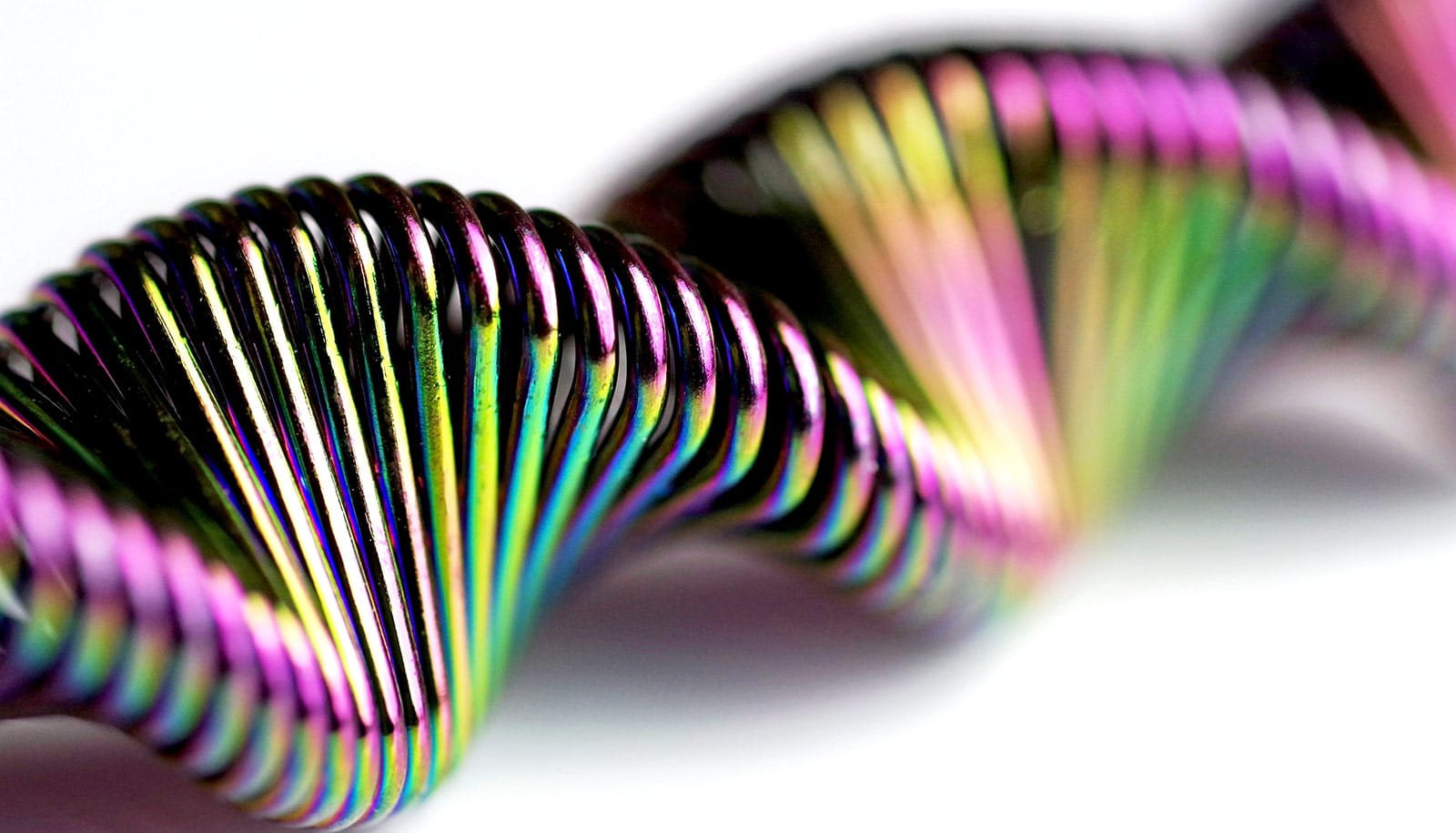
Around the world, scientists are exploring an unexpected solution to the growing data crisis: storing digital information in synthetic DNA. The idea is simple but powerful—DNA is one of the most compact, durable information systems on Earth.
But one issue has held the field back. Once data is written into DNA, it can’t be changed.
Now, researchers at the University of Missouri are helping solve that problem by transforming DNA from a one-time medium into a rewritable digital hard drive.
“DNA is incredible—it stores life’s blueprint in a tiny, stable package,” Li-Qun “Andrew” Gu, a professor of chemical and biomedical engineering at Mizzou’s College of Engineering, says.
“We wanted to see if we could store and rewrite information at the molecular level faster, simpler, and more efficiently than ever before.”
So a virus can rewrite a cat in to a dog or a giraffe? You’re talking small changes over a long time. A 400TB drive that you can only change 800KB every century or so would be useless.
…no?
I said the mechanism exists. Dna is rewritable by it’s very nature-which is what you had issue with: the DNA, not the the thing doing the writing.
At no point did I imply that there’s something rewriting entire genomes.
OK buddy. I don’t think you’re being genuine here so I’m just going to block and move on.
It sounds like you are pulling ideas out of your ass then getting angry about them.
Better block everyone else on Lemmy, too.
You at the least for sure.
Block your mom for all I care.
And I don’t think you can read very well.