without reading the article: it’s because every device connected to a cell halves the bandwidth available to each device, and after something like 30-40 devices the cell is full. so it hands over to another available cell, which may also be full. which means that if you’re in a crowd of thousands, your phone desperately bounces off of every cell it can see and keeps getting rejected, boosting its signal every time to get farther away.
this is why we have mobile cell towers for events.
There is a technology called BLE, which together with mesh networking and synchronization of messages instead of routing them can give you connectivity in the middle of big events, without too much signal noise.
Of course other than Briar and that Bitchat thing I don’t know what to use in such situations.


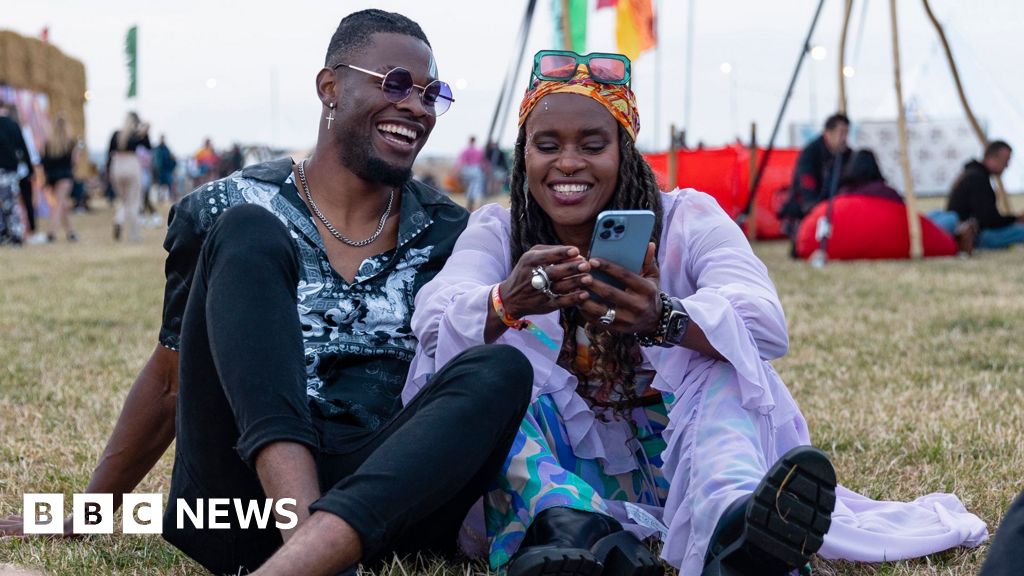
without reading the article: it’s because every device connected to a cell halves the bandwidth available to each device, and after something like 30-40 devices the cell is full. so it hands over to another available cell, which may also be full. which means that if you’re in a crowd of thousands, your phone desperately bounces off of every cell it can see and keeps getting rejected, boosting its signal every time to get farther away.
this is why we have mobile cell towers for events.
There is a technology called BLE, which together with mesh networking and synchronization of messages instead of routing them can give you connectivity in the middle of big events, without too much signal noise.
Of course other than Briar and that Bitchat thing I don’t know what to use in such situations.
Meshtastic ftw